Welcome to Scouting at Dan Beard Council!
Dan Beard Council serves on average over 20,000 youth and families in Southwest Ohio and Northern Kentucky.
You and your child have just taken the first step on a journey of adventure, family fun, character and leadership development, and so much more. Scouting is about fun, hands-on learning and achievement that puts kids in the middle of the action and prepares them for today – and the future. Dan Beard Council (DBC) has a long history of providing life-changing programs to the young men and women of the Greater Cincinnati and Northern Kentucky.

Cub Scout Program Updates
There are many program updates coming to Cub Scouts for the 2024-2025 program year starting on June 1, 2024. Based on feedback from over 23,000 Cub Scout leaders and parents, the BSA has updated the Cub Scout program to be more FUN, SIMPLE, and EASY! Click the image to the left ot learn more.
Sign Up for Scouting for Food 2024

Calendar
See various calendars including camp, training, district calendars and more.

Event Registration
Register for an upcoming event.

Recent News
& Media
See recent Scouting news, local stories, newsletters, and more.

Youth Protection
See updates and resources for Youth Protection Training, Adult Background Checks and Safety.
LIVING BY THE SCOUT OATH AND LAW
Each spring, the Dan Beard Council, BSA celebrates the legacy of great civil rights leader Whitney M. Young, Jr. and the spirit of community engagement that he inspired by holding a special event named in his honor. Although that event has been moved to the fall due to the COVID-19 pandemic, reflecting on Mr. Young’s life and the wisdom he shared with the Boy Scouts of America is timely.
Over the years, Whitney Young often engaged with the Boy Scouts of America. Just before the publication of his second book “Beyond Racism,” he addressed the BSA national organization and it was around that same time that he invoked the BSA’s motto in a memorable quote: “I’d rather BE PREPARED for an opportunity that never comes, than have an opportunity come and I am not prepared.”
OL?
_76Given the challenges facing our world today, the words of the Scout Oath and Scout Law are a clear invitation – but, we are prepared! The calls for respect, courtesy, helpfulness, and bravery that are implicit in our Scout Oath and Scout Law guide us to always stand up to injustice, to thoughtfully listen to one another, to be committed to becoming the best versions of ourselves, and to lift up all of our communities. The Scout Oath and Scout Law have been our guiding principles since the BSA was founded in 1910. They have prepared generations of young people to work and serve in the world. And now, the opportunity is ours to be living examples of these ideals through our actions and words with all of those we encounter each and every day.
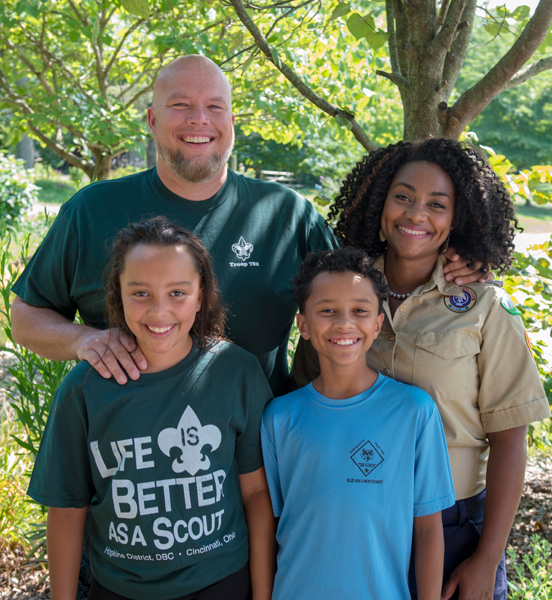
Join
Scouting’s programs and outdoor adventures give young people the opportunity and freedom to explore a world beyond the boundaries of everyday life. It presents them with chances to try new things, provide service to others, build self-confidence and develop leadership skills. These experiences not only help Scouts while they are young, but also stay with them throughout their adult lives, growing into exceptional men and women that respect their family, community, religion, country and themselves.
So what are you waiting for?
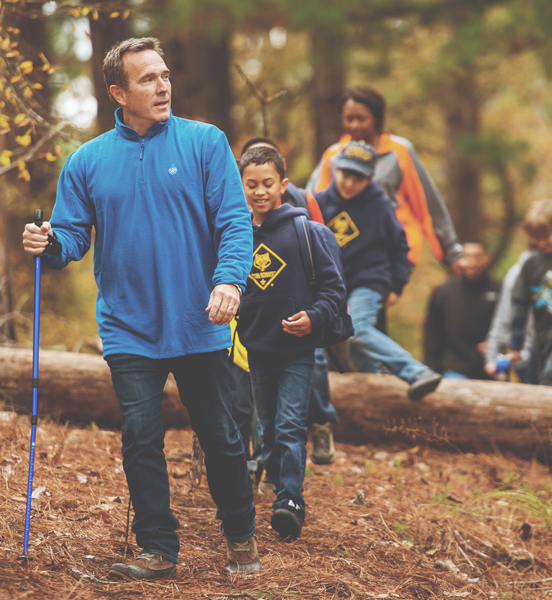
Volunteer
Parents can join Scouting too! Be a volunteer. Have you ever wondered how to get engaged in Scouting to help local youth?
There are many ways you can make a difference with minimal time. We are always interested in working with people who have the heart for Scouting and are willing to offer their time and talent to help.
How would you like to help?

Donate
An investment in Scouting is an investment in America’s future. Your support of Scouting will provide character development, citizenship training, and leadership skills to the youth in your community.
From individual giving and corporate sponsorships to world class special events and support of Scouting in perpetuity through the endowment fund, the Dan Beard Council offers a variety of opportunities for individuals, corporations, and organizations to support youth.